Essential Tips for Going on Safari (First-Timer Guide)
Going on safari is a bucket list adventure for many travelers and one I was so fortunate to be able to experience for my birthday last month.
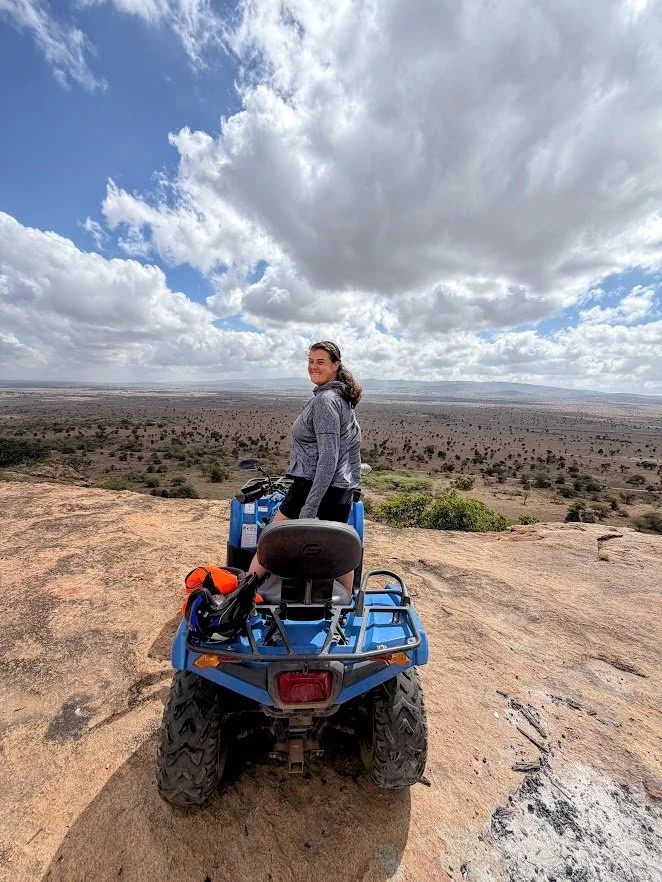
I did a 3-day, 2-night budget safari in the Maasai Mara of Kenya on a bit of a whim when I had a few days to fill between trips. Because I planned my safari a bit last minute, I didn’t have a ton of time to research or plan what to pack or expect going on safari.
Luckily, an amazing traveler I follow on IG went on safari just before mine and shared some invaluable tips and recommendations that helped me prepare a bit.
Along with her insights, I learned several lessons along the way to better prepare for my next safari and to help you prepare for yours, whether you are splashing out on luxury safari, taking a budget safari, or anything in between.
🧳Packing for a Safari
Recommended Colors for Safari Clothes
What colors are recommended for safaris?
Khaki, Tan, and Beige are the most recommended, as they blend perfectly with the dusty landscape and do not show dirt easily.
Olive, Sage, and Dark Green are ideal for bush, forest, and riverine areas.
Light Grey and Dusty Earth Tones are great alternatives that blend into the environment.
These color schemes help mitigate impact and interference for wildlife and also help avoid insects. Wearing long sleeves and long pants also helps with mosquitos and other insects, as well as protect your skin from sun, dust and dirt.
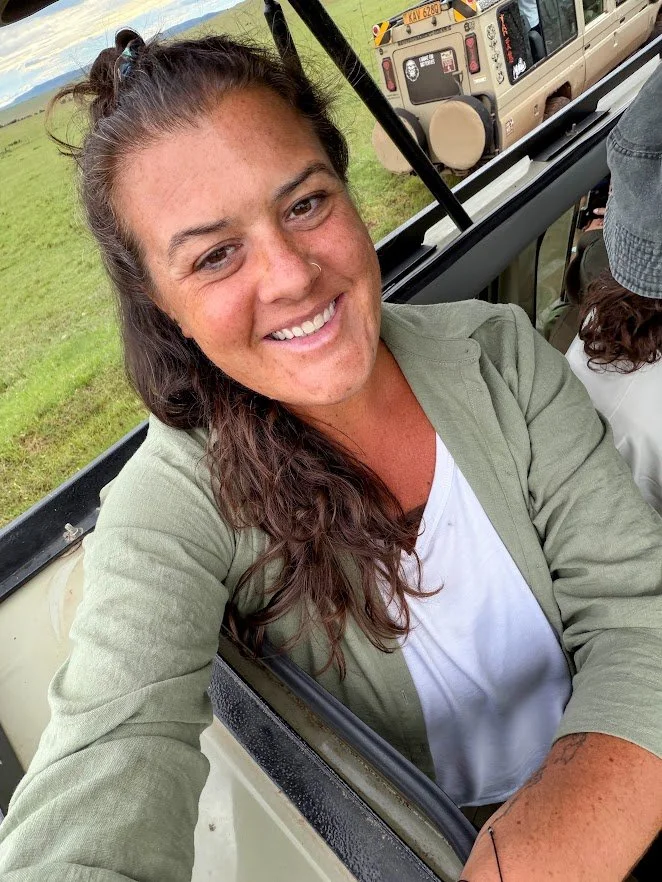
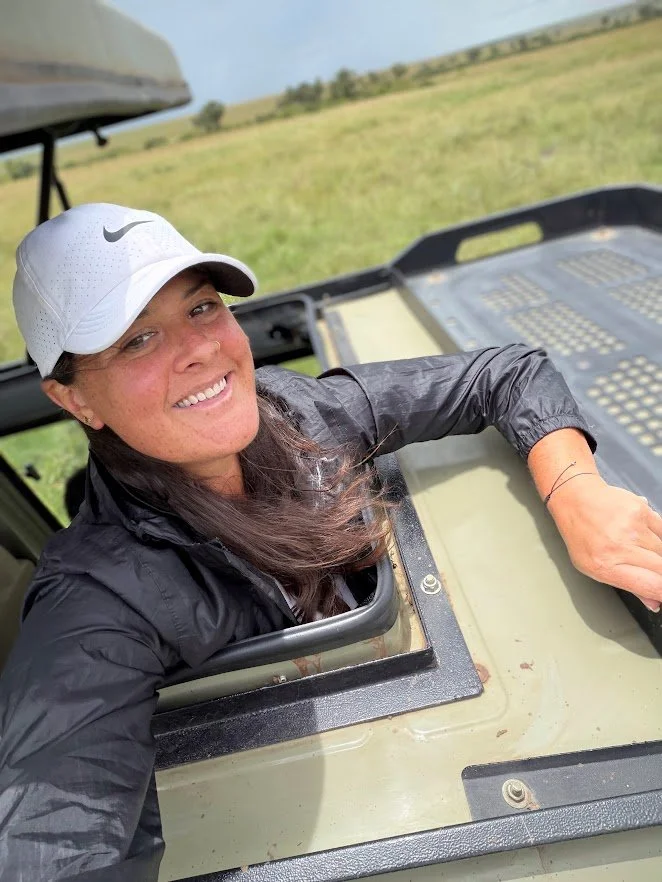
🧢A hat is also recommended for safari to help protect from the sun. I found having a hat was also really helpful in controlling my hair in the wind.
Prioritize comfort
While getting those cute safari pics is great and wonderful, make sure those curated outfits are also comfortable. All day game drives are long and you will be sitting/standing on repeat for hours on end so be sure you are comfortable.
🌡️Temperature variations throughout the day and night while on safari are quite drastic, so be sure to have layers. No matter the season, night is considerably cooler than daytime, so be sure to have warm sleep clothes and socks.
👟 Wear practical shoes
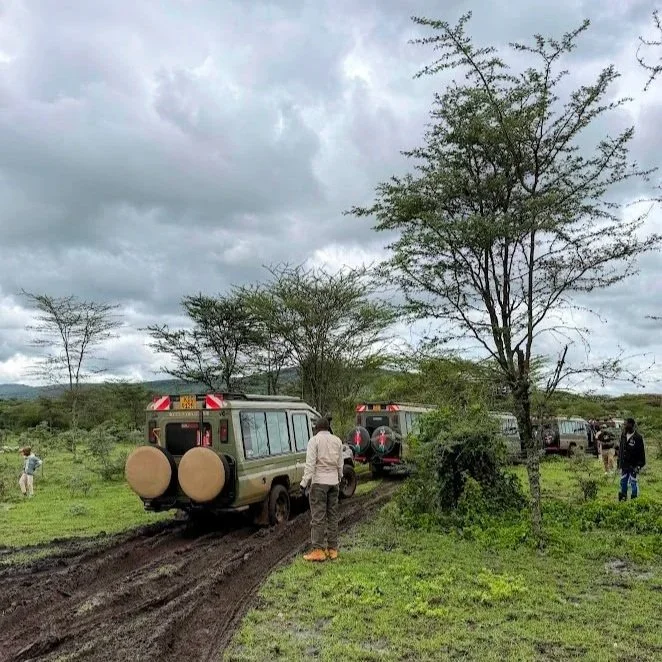
Depending on season, there is a chance of having to exit the vehicle if it gets stuck in mud (life it, learn it). You may also exit the safari vehicle and walk on certain safaris, whether it is to see the Mara River, walk to a lunch site, or many other reasons.
Wear clean socks if you opt to take your shoes off and stand on the seas.
🧳Be sure to check with your safari company regarding luggage limits and recommendations.
🚽 Bathrooms
Bathroom breaks are very infrequent.
Limit liquids in the morning and be sure to use the bathroom just before heading out on game drives.
Be prepared to pee outside the truck if necessary.
My entire group used Mother nature’s facilities on our full day game drive day, after (luckily) one woman spoke up and said she couldn’t hold it until we reached a bathroom. Fortunately we all got along great and it no one was overly shy so we all just had a good laugh and took turns peeing behind the truck.
⭐Pro tip: If you stop to pee outside the truck - go first. All the women go in the same spot and it gets a bit… flooded.
If you bring tissue, be sure to bring a plastic bag to put it in until you reach a trash can
If you need to squat to pee, be sure to wear clothes that can easily be pulled up and down
I have heard of some travelers bringing a “she-wee” or similar product to provide some discretion and/or if mobility impairs squatting
When bathrooms are available, they are sometimes lacking essentials so be prepared with hand sanitizer and tissue. Some safari washrooms are quite basic, have squatters, and are not the cleanest, so keep realistic expectations.
🛻 Be prepared for a VERY bumpy ride
From driving in to the Safari game sites to driving within them, you are on dirt roads (and potentially muddy ones depending on season) and the ride is very bumpy.
At many points, some of my fellow group members compared the ride to being on a rollercoaster.
This is especially true if you are on a budget safari, as the vehicles tend to be older.
⭐Pro tip: The seats in the front are less bumpy than those in the rear. Show up early to your pickup point to secure the best seats.
•If you get motion sickness, be prepared with medication, bracelets, goggles, whatever helps.
•Ladies! Sports bras! The bouncing gets brutal on the boobies.
•Wear your seatbelt securely to help from popping out of your seat
The bumpy ride can be tough on the body. I had bruises on my arm from bumping the window and by the end of my 3-day safari felt like I had walked endless miles even though I sat in the vehicle the majority of the time.
Be sure to stretch in the morning and evening and walk around as much as possible between game drives. Being prepared with an over-the-counter pain reliever can also help make longer safaris more comfortable and pain free.
Be Prepared to Get Dirty
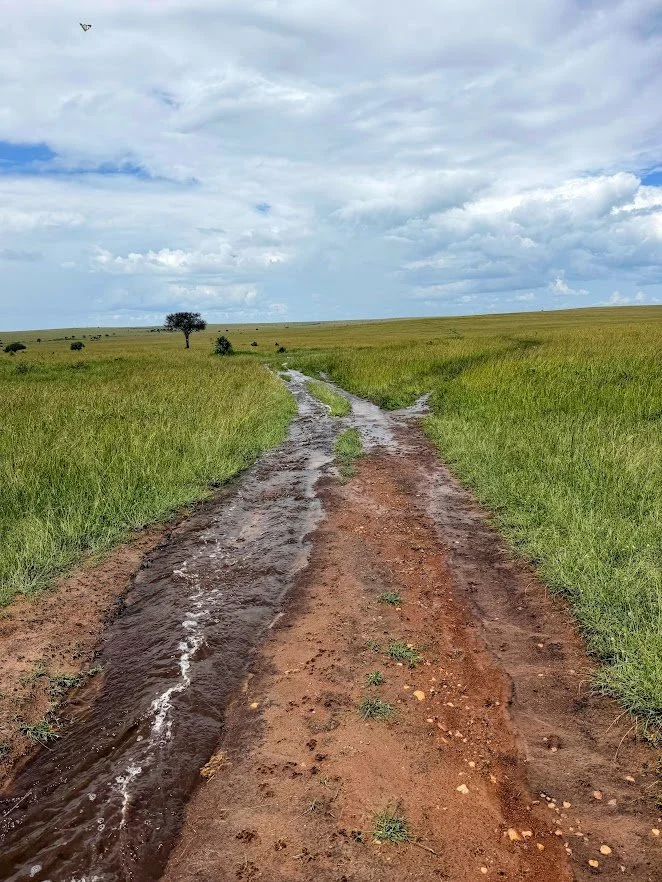
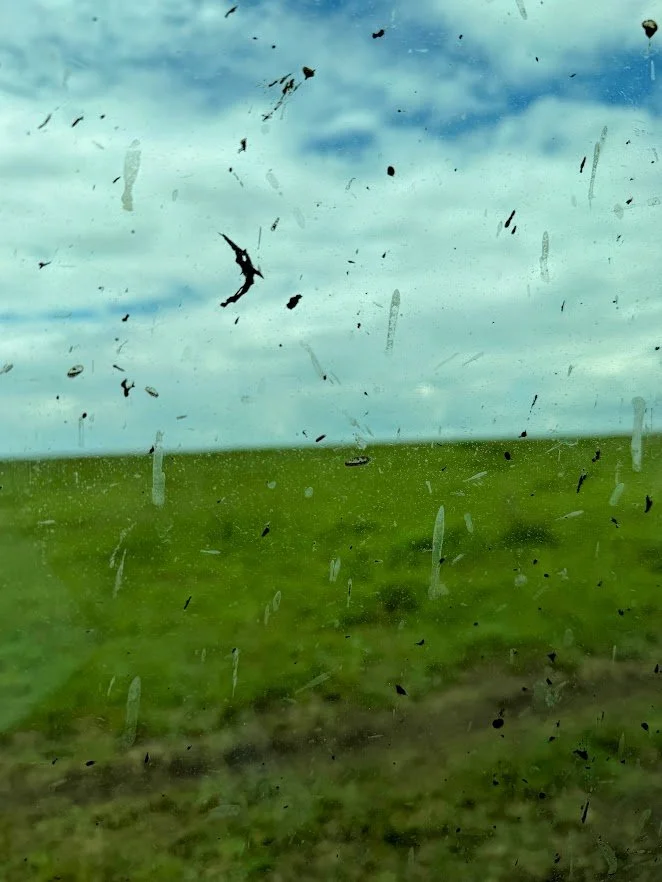
Yes, you will be in a vehicle for the duration of your game drives, but the roof will be up, windows will be open, and on some doors will be removed for the best viewing.
Safaris are in nature, and nature comes with dirt, dust, and mud.
Keep this in mind when planning packing, as far as colors, washability, re-wearing items, etc.
⭐Pro tip: Be sure to have a dry bag/laundry bag for repacking dirty clothes.
🪫Bring a Power Bank
Days are long and you will be taking a ton of photos, so be sure to have an external power bank to keep your phone charged.
Most safari vehicles have power outlets, but you want to be sure you have a backup in case they are not working, or there is limited availability.
Be sure your power banks, and devices are fully charged, and be sure to charge them as soon as you return to your accommodation as power outages are possible.
⚡Power Outages Are Very Possible
Whether you are staying in a budget camp or a high-end accommodation, power outages are very possible (especially in rainy season). Higher-end stays are likely to have a generator, but it is always best to be prepared.
Some lodges and camps practice energy conservation and “power down” between certain hours (typically 10pm and 6am).
•Bring a flashlight or headlamp and have it by your bed in the event of power outages.
•be sure to charge your devices as well as portable charges
🕰️Be Prepared for Early Starts
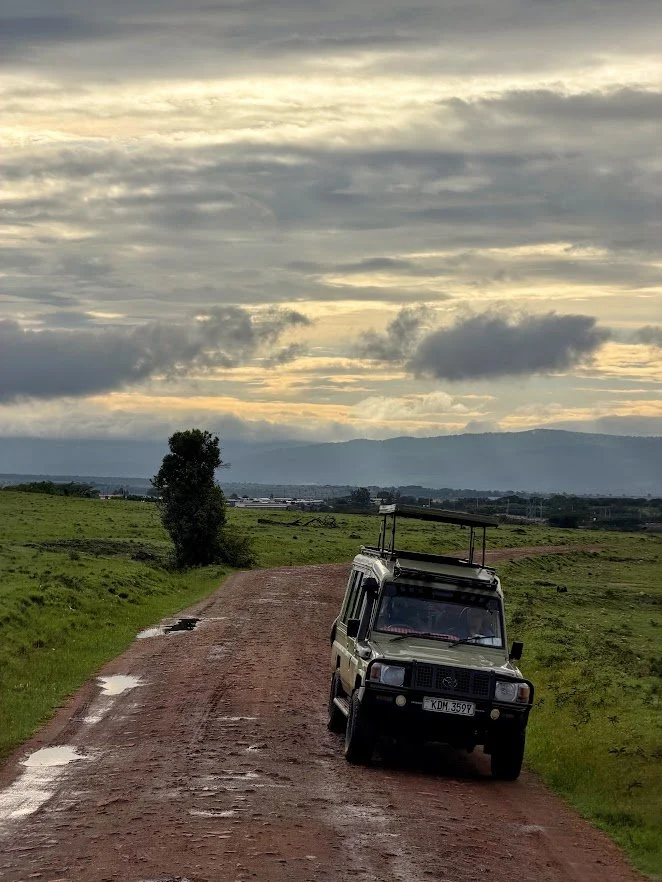
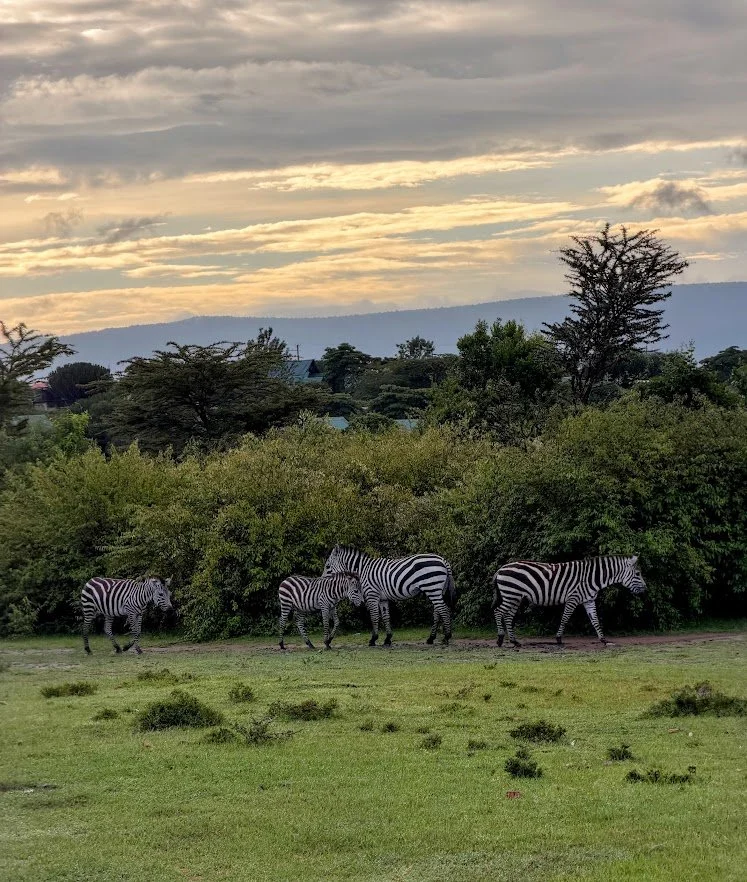
Day time game drives start early (between 6:30a-7a) and are quite long days. Pack your day bag and pick out the day’s outfit the night before.
Be sure to have breakfast - even if it is really early, as you likely will not stop for lunch for several hours.
Use the bathroom before heading out on game drives.
Bring snacks like energy bars, nuts, dried fruit, etc and be sure to have plenty of water for the day (though typically provided by the safari company).
💰Bring Cash
If you booked a safari that does not include park fees, these typically need to be paid in cash (USD or local currency). Be sure to check with your safari provider regarding how these are to be paid, and come prepared to pay upfront.
If your safari includes a visit to the Maasai Village, the entry fee must be paid in cash.
Many smaller lodges, camps, and hotels do not accept credit cards, so be sure to have cash for add-ons like drinks and snacks.
Have small denominations on hand for porters, servers, and other staff along your safari, as well as cash to tip your guide.
If you would prefer not to carry cash, or want an additional payment method, I highly suggest setting up M-PESA (mobile payment) upon arrival. Here is all the information for setting up M-PESA in Kenya.
A safari experience is one you will not soon forget, and following these practical tips and being prepared will assure those memories are happy ones.
Whether you are setting out on an overnight or multi week safari, budget or luxury safari, or anything in between, being prepared can make all the difference in how you experience a trip of a lifetime.
Looking for an incredible safari experience on a budget?
This is the safari that I took for my birthday and absolutely loved! I highly recommend this experience for anyone looking for a wallet-friendly safari in Kenya.
And if you are looking for some great things to do while visiting Nairobi, here are some fantastic options to help you explore Kenya’s capital city.
Some of the links in this post are affiliate links, which means I may earn a small commission (at no extra cost to you!) if you click and make a purchase. This helps keep this site free and me on the move!

A two-month house sit in Kenya turned into a six-month journey across Africa, from Kenya & Tanzania to South Africa & Morocco.
Exploring each country like both a local & a curious traveler—sharing insights on popular spots, gems, & where to eat, &e explore
Follow all of my adventures on Instagram & Facbeook!